
CCTV Surveillance Systems: Securing Businesses in the Modern Age

Security has become a top priority for businesses, government institutions, and residential complexes alike. With increasing risks of theft, vandalism, and cyber threats, CCTV surveillance systems provide an effective way to monitor and protect assets, people, and property.
What is a CCTV Surveillance System?
CCTV (Closed-Circuit Television) surveillance is a security system that uses cameras to transmit live or recorded video to monitors or storage devices. Unlike broadcast television, CCTV footage is private and used exclusively for monitoring purposes.
Modern CCTV systems are no longer just cameras—they integrate with network systems, analytics, and smart devices, offering comprehensive security solutions.
Key Components of a CCTV System
A complete CCTV system includes several components:
Cameras
Cameras capture video and can range from simple analog models to high-definition IP cameras with night vision, PTZ (Pan-Tilt-Zoom), and AI features.
Digital Video Recorder (DVR) / Network Video Recorder (NVR)
These devices record and store video footage for later review. DVRs are used with analog cameras, while NVRs support IP cameras.
Cabling and Connectivity
Structured cabling and reliable network connections ensure continuous video transmission and power supply to cameras.
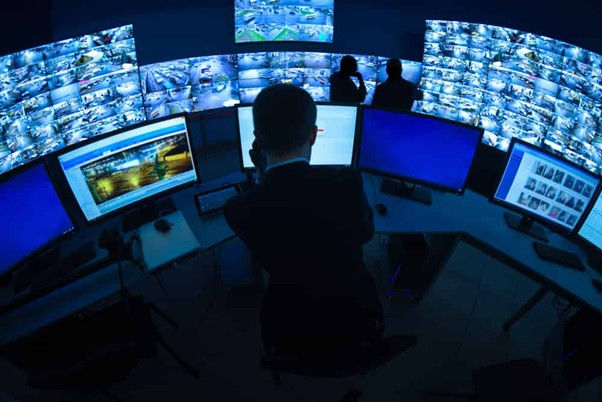
Monitors / Control Room
Centralized displays allow security personnel to monitor live footage and respond quickly to incidents.
Software and Analytics
Modern systems offer software for remote monitoring, motion detection, facial recognition, and automated alerts.
Benefits of CCTV Surveillance Systems
Implementing CCTV surveillance systems provides multiple advantages:
1. Crime Deterrence
Visible cameras discourage theft, vandalism, and unauthorized access.
2. Real-Time Monitoring
Security personnel can monitor activities as they happen and respond immediately to threats.
3. Evidence Collection
Recorded footage serves as evidence in legal cases, insurance claims, or internal investigations.
4. Remote Access
IP-based CCTV systems allow authorized personnel to monitor premises remotely via smartphones or computers.
5. Improved Operational Efficiency
Beyond security, CCTV systems help monitor workflows, employee productivity, and facility operations.
Types of CCTV Systems
Analog CCTV Systems: Traditional systems that transmit video over coaxial cables; cost-effective for small setups.
IP CCTV Systems: Modern digital systems with high-resolution video, remote monitoring, and advanced analytics.
Wireless CCTV Systems: Flexible solutions without extensive cabling, suitable for temporary setups or hard-to-reach areas.
PTZ Cameras: Cameras that can pan, tilt, and zoom for broader coverage and detailed monitoring.



Comments